
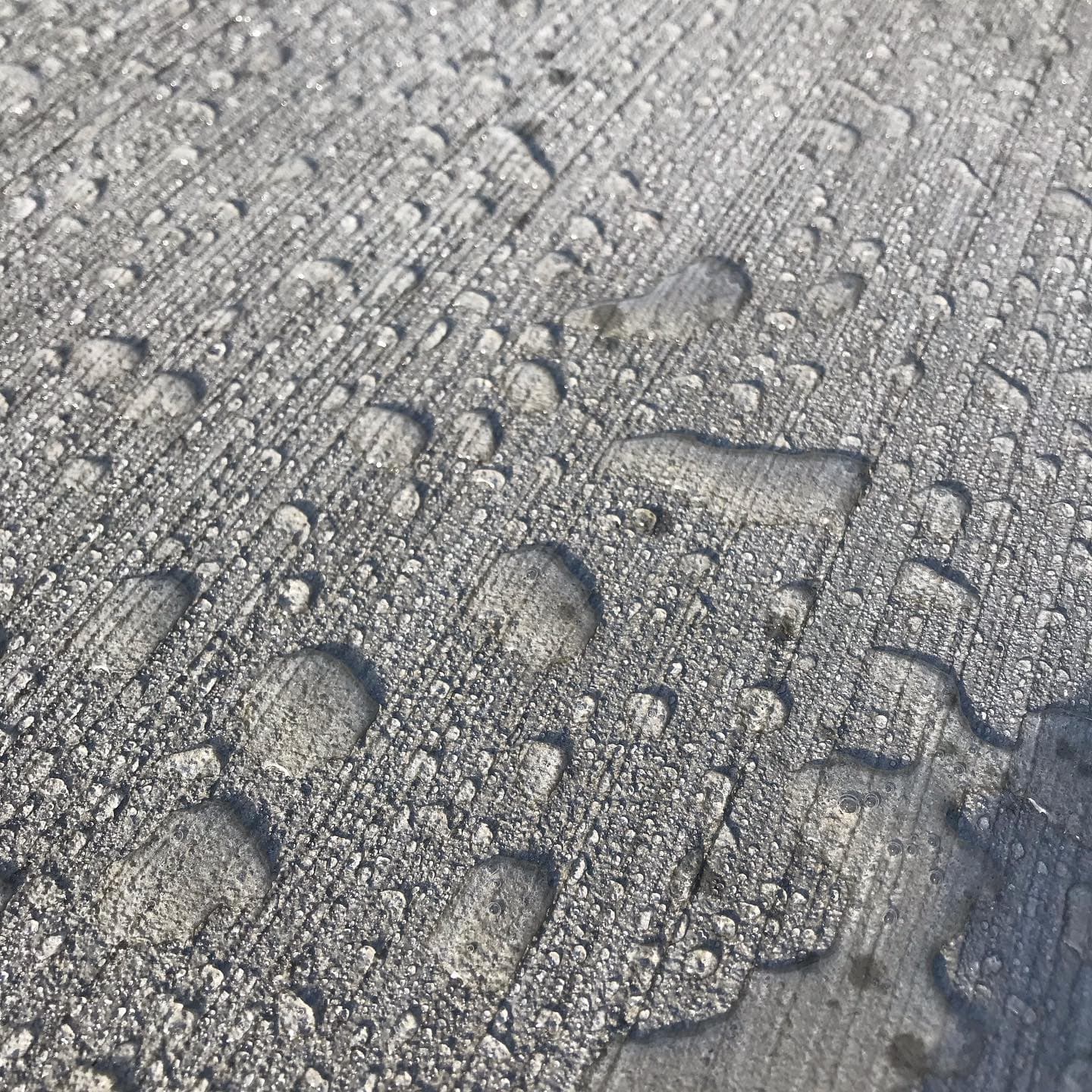
What frost heave does
In Central Alberta, concrete works with the ground beneath it. Frost heave can occur as moisture freezes in soil and expands, lifting the ground below a slab, walkway, or driveway.
The visible result is not always dramatic in one season. Uneven edges, changes at adjoining surfaces, and water moving toward the wrong place can all be signals worth discussing.
Concrete itself is strong in compression, but a finished surface still depends on stable support and water management around it.
Start with the site
No two sites behave exactly alike. Existing grade, soil, downspouts, shade, exposure, and the project’s use should shape the conversation long before placement day.
A new driveway or patio also has to relate to the garage, house, landscaping, and street. Those transitions are where grade and drainage decisions become very visible.
Photos of the existing surface, rough dimensions, and a note about where water travels after a storm give a contractor useful context at the first visit.
Plan for real conditions
A responsible plan does not promise that concrete will never move. It focuses on the details inside the project scope: preparation, drainage, reinforcement expectations, joint layout, and how the surface meets adjacent work.
If drainage, soils, or access introduce questions beyond a standard flatwork project, those questions should be addressed before the pour is scheduled.
The goal is a surface designed for the site it is on—not a generic detail repeated without considering Central Alberta conditions.